
Gaza Women Journalists Describe Displacement, Hunger, and a Colleague's Killing in Documented Testimony
At a Filastiniyat conference, Palestinian reporters Amal Habib and Nour Al-Swerki recounted covering the war while fleeing it with their own families.
Source: The New Arab · published November 12, 2026
Nour Al-Swerki had already sent her two children out of Gaza when she learned that fellow journalist Mariam Abu Daqqa had been killed.
"When Mariam was killed, I immediately thought about my own children. I feared that I could meet the same fate and that my children would be left without even having the chance to say goodbye to me."
Al-Swerki gave that testimony at the eighth edition of a conference titled "Palestinian Women Journalists Speak Up: Testimonies from within a Genocide," organized in Gaza on Wednesday by the media organization Filastiniyat, with online participation and a parallel session held in Cairo.
According to Wafaa Abdul Rahman, Filastiniyat's director-general, the conference was built around testimony sessions preceded by psychological support, so journalists could recount their experiences without being forced to relive the trauma in full. She said the goal was to turn the accounts into concrete steps for protecting Palestinian journalists and strengthening international solidarity around their work.
Amal Habib described being displaced repeatedly across the Gaza Strip, moving from the north to the south and then between different parts of Gaza City, after initially refusing to leave her home. At one point her family reached the United Nations Relief and Works Agency headquarters in Gaza City, where they went days without water.
"We had no water. We spent several days without it, which forced me, for the first time in my life, to perform tayammum," Habib said, referring to the Islamic practice of ritual purification with earth or dust when water is unavailable, used in place of the washing normally required before prayer.
Habib said hunger and fear for her children's safety were among the hardest parts of the war, even as she continued reporting. "I was terrified for my children and myself. But I also had to continue documenting other people's stories to tell the outside world what was happening in Gaza," she said. She told the conference she tried to appear composed while working but broke down in private, and that she can no longer hold back tears the way she once could.
Al-Swerki lost her home and was displaced multiple times during the war. She said one of the hardest decisions of her life was sending her two children outside Gaza while she stayed behind to continue reporting. "Being separated from my children was one of the hardest decisions I had to make. I was constantly worried about them, while they were also worried about what might happen to me," she said.
Al-Swerki told the conference that what the world has seen of Gaza represents a fraction of what has actually happened there, estimating the visible record at under 20 percent of the full picture.
The testimonies were presented as part of an ongoing documentation effort by Filastiniyat, which has held previous editions of the conference tracking the conditions facing Palestinian women reporters since the war began.
Sources & Documentation
Related Coverage
 Video
UN and CNN Found Gunfire Killed Dozens at Gaza Aid Convoy; Advocacy Group Says Death Toll Mostly From Stampede
A UN inquiry and CNN found gunfire killed dozens at a Gaza aid convoy in February 2024; a pro-Israel group disputes the toll, citing a stampede.

Google Maps Satellite Views of Gaza Show Rubble Fields Matching UN Damage Tallies
Updated Google Maps satellite imagery of Gaza shows rubble-strewn blocks and shelter camps, aligning with UN estimates of mass displacement and housing destruction.
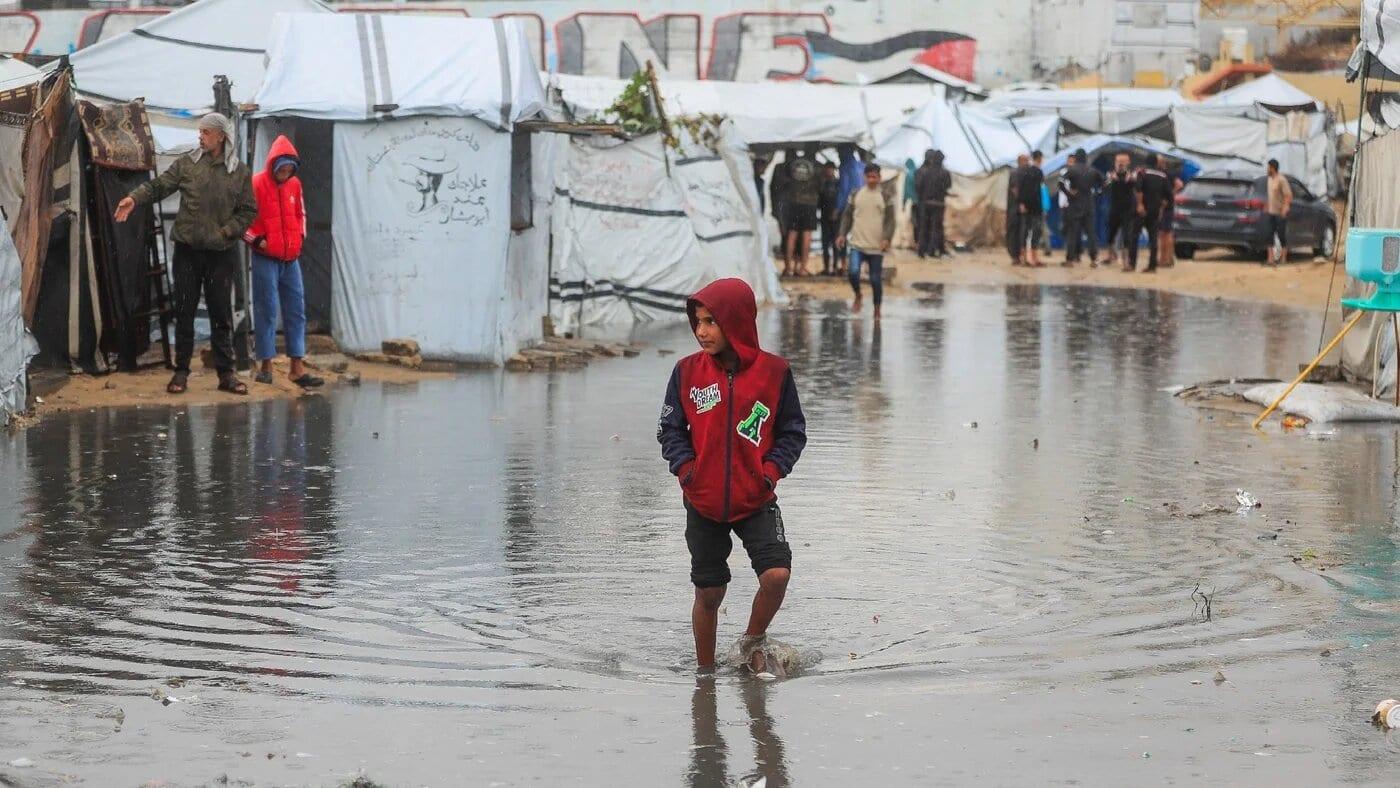
Baby Dies of Exposure in Gaza Tent as 150,000 Tents Sit Warehoused Awaiting Israeli Approval
Six-month-old Ehab Hamad died of exposure in a flooded tent as 150,000 tents and winter supplies sit warehoused, blocked by Israeli 'dual-use' restrictions, UN and NGO officials say.