
After Record Palestinian Vote Share, Israeli Police and Shin Bet Move Against Arab Parties
Election officials certified a historic 19 seats for Palestinian-led parties, then police arrested supporters and a journalist while Shin Bet sought to interrogate sitting lawmakers.
Source: Al Jazeera English · published November 4, 2026
Israel certified its election results this week, confirming that the Joint List and the United Arab List, known as Ra'am, won a record 19 seats, the strongest showing by Palestinian-led parties in the country's history. Within days, police had arrested Ra'am supporters, detained a journalist, and the head of Shin Bet had asked to interrogate two sitting members of the Knesset.
According to reporting cited by Al Jazeera from The Jerusalem Post, police arrested several Ra'am supporters on election day on suspicion of vote-buying, a charge Likud quickly cited as evidence the vote had been stolen. Most of those detained were released soon after. A judge reviewing the case said the suspicions against them had weakened and that investigators had not explained why continued restrictions were necessary. Defence lawyers said the seized money was intended for charitable assistance to voters, not bribes.
Ahmad Tibi, leader of the Ta'al party within the Joint List, pointed to the releases as proof the fraud claims did not hold up. "The best proof of this is that the detainees were released," he told Al Jazeera. "We said from the beginning that the mountain laboured and brought forth a mouse."
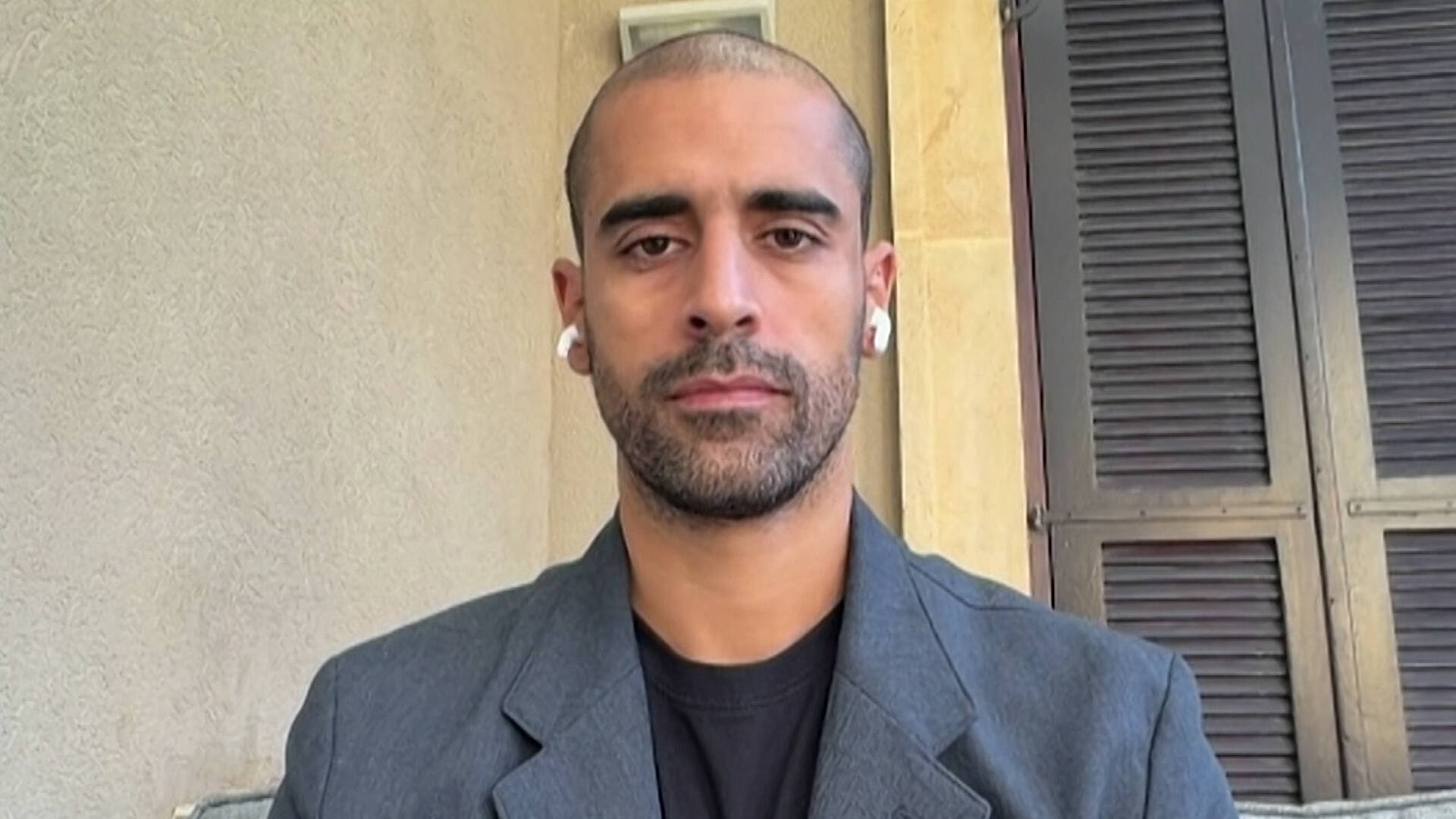
The crackdown reached beyond party activists. Abd Abu Shahadeh, a journalist and political activist, was arrested Tuesday night by police and the Shin Bet, Israel's domestic security service. Separately, Shin Bet Director David Zini asked to interrogate senior Palestinian lawmakers, including Tibi and a member of the United Arab List, over claims of foreign interference, according to The Jerusalem Post. Attorney General Gali Baharav-Miara denied the request, a decision Likud publicly criticized.
Tibi said the pressure predates this election cycle.
"Political intimidation began on October 7 itself, when celebrities from our community were summoned for investigation simply for liking a post or writing a Quranic verse whose interpretation was distorted."
He also cited the Israeli electoral committee's decision in late September to disqualify the Palestinian-led parties from running, a ruling the Israeli Supreme Court later overturned. "The tools multiplied and the goal is one," Tibi said, "which is indeed to intimidate us from political work as candidates and voters."
Political analyst Mamoun Abu Amer told Al Jazeera the backlash was planned before the vote. "From the beginning, it was clearly a systematic campaign when Arab citizens mobilised heavily, especially in the villages, the Naqab and the Bedouin areas," he said, adding that the turnout shocked Israel's political establishment and prompted Netanyahu's camp to question the result's legitimacy.
Human rights researcher Mustafa Ibrahim placed the response in a longer arc, tracing it to the military rule imposed on Palestinian citizens of Israel until 1966 and the state's historical treatment of them as what he called a "fifth column." Sami Abu Shehadeh, chairman of the Balad party, described the post-election actions as an attempt by Netanyahu to "steal the elections."
Sources & Documentation
- Palestinians face intimidation after election success — Al Jazeera English
Related Coverage
 Video
Palestinian Journalist Released After Five-Day Shin Bet Detention Over Interview With Exiled Knesset Figure
Journalist Abed Abu Shehadeh describes a nighttime Shin Bet raid on his Jaffa home and five days in Israeli custody over an interview with exiled Knesset figure Azmi Bishara.

Ben-Gvir Posts AI-Generated Video Boasting of Gaza's Destruction, Mocking Palestinians as 'Donkeys'
Itamar Ben-Gvir posted an AI-generated campaign video showing a destroyed Gaza and mocking Palestinians who remain there, days before Israel's October 27 election.
Ben-Gvir Tells Imprisoned Palestinian in Campaign Video: 'I Want to Kill You, I Want to Put You to Death'
Ben-Gvir threatened to execute imprisoned Hamas member Hassan Salameh in a campaign video, tying the footage to his platform of executions and Palestinian 'migration.'