
Israeli Military Prepares to Reopen Route 463, Threatening to Encircle Ramallah's Western Villages
A $355 million settler-road budget and a law designed to bypass the Knesset could sever eight Palestinian villages from Ramallah before Israel's October 27 election.
Source: Al Jazeera English · published October 14, 2026
For about ten kilometers, a road links el-Bireh and the Jalazone refugee camp to the village of Ein Qiniya west of Ramallah. It was built in the mid-1990s to connect the Beit El and Dolev settlements. The Second Intifada closed it to both settlers and Palestinians in 2000. Now the Israeli army is preparing to reopen it, according to Al Jazeera reporting corroborated by Palestinian officials, and the villages along its path say the result would be encirclement.
The reopening of Route 463 is part of a 1.075-billion-shekel, roughly $355 million, settler infrastructure budget aimed at linking settlements across the occupied West Bank. There is no public timeline, but Al Jazeera reports the far-right Israeli government is pushing to implement the measure before Israel's October 27 elections, using a legal mechanism that would bypass the Knesset.
Munif Treish, the mayor of el-Bireh, told Al Jazeera that 95 percent of the road falls within Area B, where under the 1995 Oslo II Accords Palestinians retain civil administration and share security control with Israel. Only a small segment sits in Area C, under full Israeli control. Treish said the plan would violate agreements Israel has signed with the PLO and would affect roughly 250,000 Palestinians.
The Colonization and Wall Resistance Commission, a PLO-affiliated monitor, said the plan falls under a "systematic policy to dismantle Palestinian geographic and demographic contiguity" in a governorate home to nearly 400,000 people across 80 communities.
Jamal Juma of the Popular Campaign to Resist the Wall and Settlements said the road would encircle the western side of Ramallah, cutting off Surda, at-Tira, and Wadi at-Tira to the north, and Ein Qiniya, Ras Karkar, Deir Ibzi, and Ein Arik to the west. The affected zone would stretch to Beitunia and the Fruits Roundabout, tying into Route 443 toward Jerusalem. Two decades of closures to the east have already pushed Ramallah's growth westward into these same villages; sealing the road would reverse that expansion, Juma said, and likely bring more checkpoints, watchtowers, land confiscation, and restricted farmer access under the rationale of settler security.
Tens of thousands of Palestinians would be funneled onto an older road near Jalazone that is already congested, according to the reporting.
The plan arrives amid a documented surge in settler-road construction. The Colonization and Wall Resistance Commission counted 66 road-related military orders out of 173 issued between October 2023 and April 2026, and 40 land seizure orders covering 611 dunams for 16 new roads in the first half of 2026 alone. Settler roads now cover more than 3 percent of the West Bank's land area as of March 2026.
The push follows settler violence in the area. On September 8, settlers closed a roundabout near Ein Ayoub in Ras Karkar and threw stones at Palestinian vehicles, part of what residents describe as a broader pattern of attacks carried out alongside Israeli military movement restrictions imposed since October 2023.
Sources & Documentation
- Israeli plan to reopen settler 'Route 463' threatens to isolate Ramallah — Al Jazeera EnglishPrimary source
Related Coverage
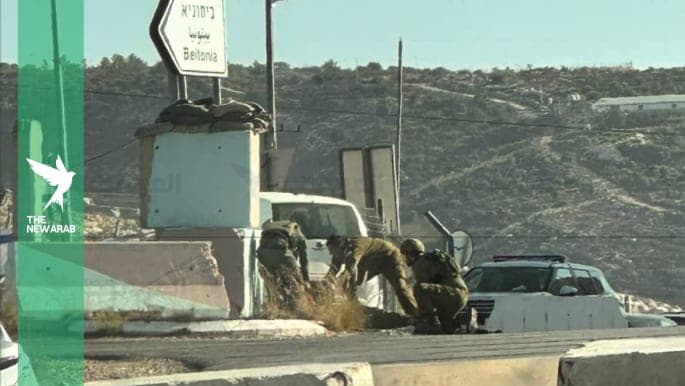
Israeli Forces Kill Palestinian at West Bank Checkpoint After Car-Ramming Wounds US Ambassador's Son
Israeli forces shot dead a 29-year-old Palestinian near Ramallah after a car-ramming wounded the son of Israel's US ambassador; his body was reportedly withheld.
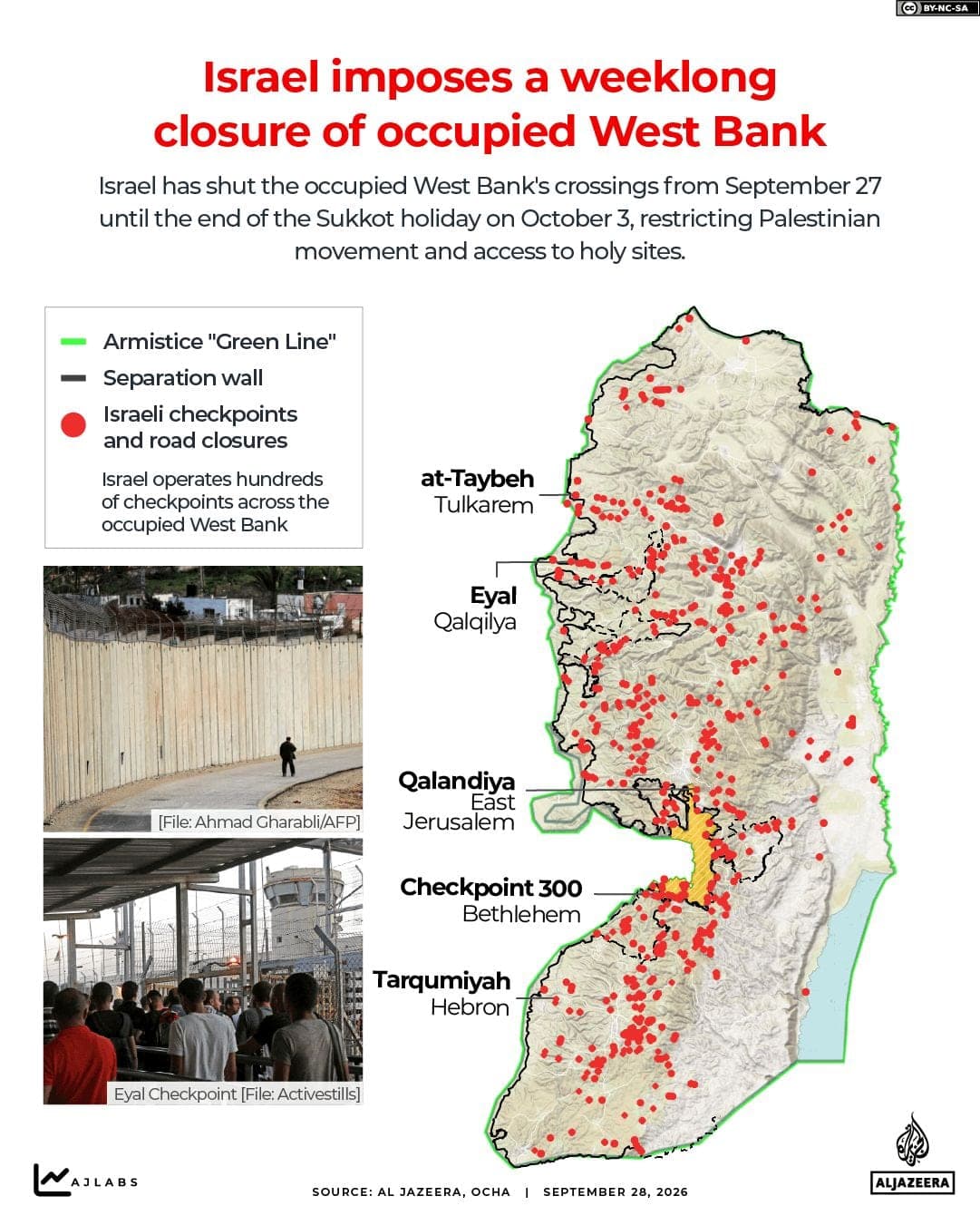
Israel Closes West Bank Crossings for a Week as UN Records More Than 300 Checkpoints Territory-Wide
Israel sealed the West Bank for Sukkot, tightening a checkpoint network the UN counts at over 300 sites among 925 obstacles restricting 3.4 million Palestinians.
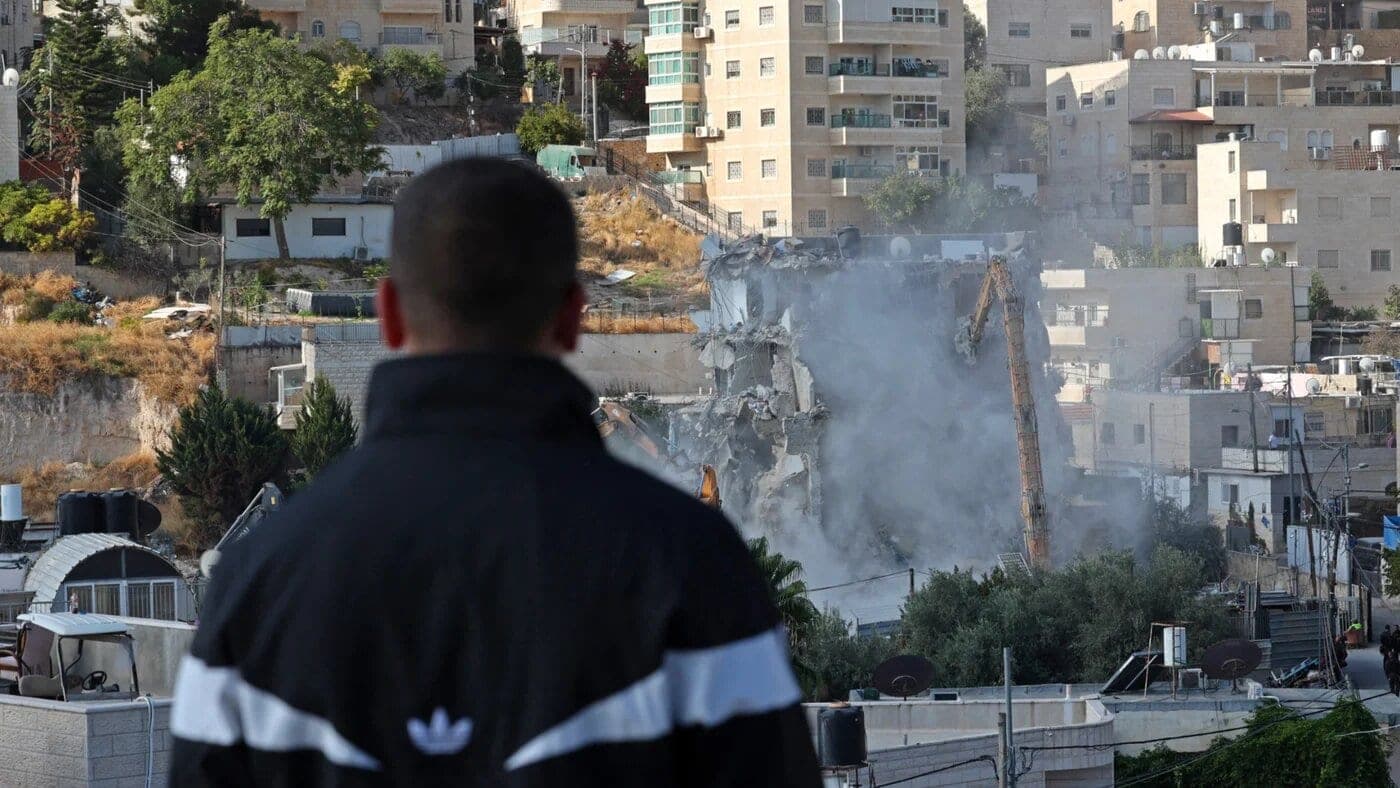
Ben Gvir Films Himself in Bulldozer as Israel Demolishes East Jerusalem Building, Displacing 70
Itamar Ben Gvir rode a bulldozer during the demolition of a Palestinian building in East Jerusalem's al-Tur neighborhood, leaving roughly 70 residents homeless.