
Israeli Detonations and Phosphorus Shelling Leave Southern Lebanon Villages Uninhabitable, Researchers Find
Lebanese scientists estimate $25 billion in environmental damage from strikes that have flattened forests, olive groves and entire villages, as U.S.-supplied weapons remain central to the campaign.
Source: Responsible Statecraft · published August 25, 2026
Residents of villages near Bint Jbeil have started buying satellite imagery just to find out if their homes still stand. They cannot reach the sites to check in person, according to journalist Lylla Younes, who has family in the region and describes what remains as a 'moonscape,' terrain so cratered and flattened that recognition by eye is no longer possible.
That description matches a pattern documented across southern Lebanon since fighting escalated in late 2024: white phosphorus shelling, mass remote-detonated demolitions, and, most recently, aerial herbicide spraying, applied across a swath of territory that Lebanese researchers say is now difficult to farm and unsafe to inhabit.
The scale of the damage
Lebanon's National Council for Scientific Research has estimated $25 billion in environmental damage from strikes between 2023 and 2024 alone, including thousands of hectares of destroyed forest and orchard. Among the losses is the Monk Forest near Ayta ash-Shaab, one of the last intact woodland refuges in the border zone, destroyed through a combination of phosphorus shelling and bulldozing that satellite imagery shows as white craters scattered across what had been continuous forest cover.
The Israeli military has said phosphorus shells are used as smoke screens to mask troop movement and has denied intentionally starting fires with them. Al Jazeera investigations documented forest and olive-grove fires and soil contamination with lead and other heavy metals that persisted well past any tactical need for cover, a pattern the military's stated rationale does not fully account for.
Villages erased in single blasts
Where shelling has not flattened border villages outright, remote-detonated explosives have finished the job. The Guardian reviewed footage of mass detonations in Taybeh, Naqoura and Deir Seryan that razed entire villages in a single blast rather than targeting individual structures. The Israeli military itself has published footage of further detonations in Mhaibib and Majdal Zoun, including one clip showing soldiers on camera as a village is destroyed. In Adaisseh and Kfar Kila, Lebanese state media reported detonations strong enough to trigger earthquake-warning systems inside Israel.
Israeli Defense Minister Israel Katz has said all homes in Lebanese border villages will be destroyed, drawing an explicit comparison to the demolition of Rafah and Beit Hanoun in Gaza, where the Israeli military leveled roughly 90 percent of homes.
"What our documentation increasingly shows, particularly over the past two months, is a sharp rise in fires coinciding with or following large-scale Israeli detonations and the demolition of entire neighbourhoods, particularly in occupied border areas and their immediate surroundings," said Dr. Hisham Younes, president of Green Southerners, a Lebanese environmental group. "But the destruction is not confined to these areas; it extends further into different parts of South Lebanon."
Military maps released this spring marked a red line through 21 villages and barred residents from returning to more than 50 others. A CNN review of satellite imagery identified newly built Israeli forward operating bases positioned inside Lebanese territory. NPR reporters visiting Mansouri, six miles from the border inside the militarized 'yellow line,' described shops blown open, homes crumpled, and a mosque burned with its minaret split. U.N. human rights experts have described the pattern of evacuation orders and housing destruction as consistent with what has occurred in Gaza.
The funding question
Responsible Statecraft's reporting asserts that American money and weapons are behind nearly all of this destruction. U.S. military aid to Israel, running into billions annually, is well documented; the specific share of that aid tied to the incendiary munitions, demolition charges, and other systems used in this campaign has not been itemized in public procurement records cited so far, and remains an assertion rather than a documented breakdown.
Further Documentation
Sources & Documentation
- Israel is turning south Lebanon into an uninhabitable hellscape — and the US is paying for it — Responsible Statecraft
Related Coverage
 Video
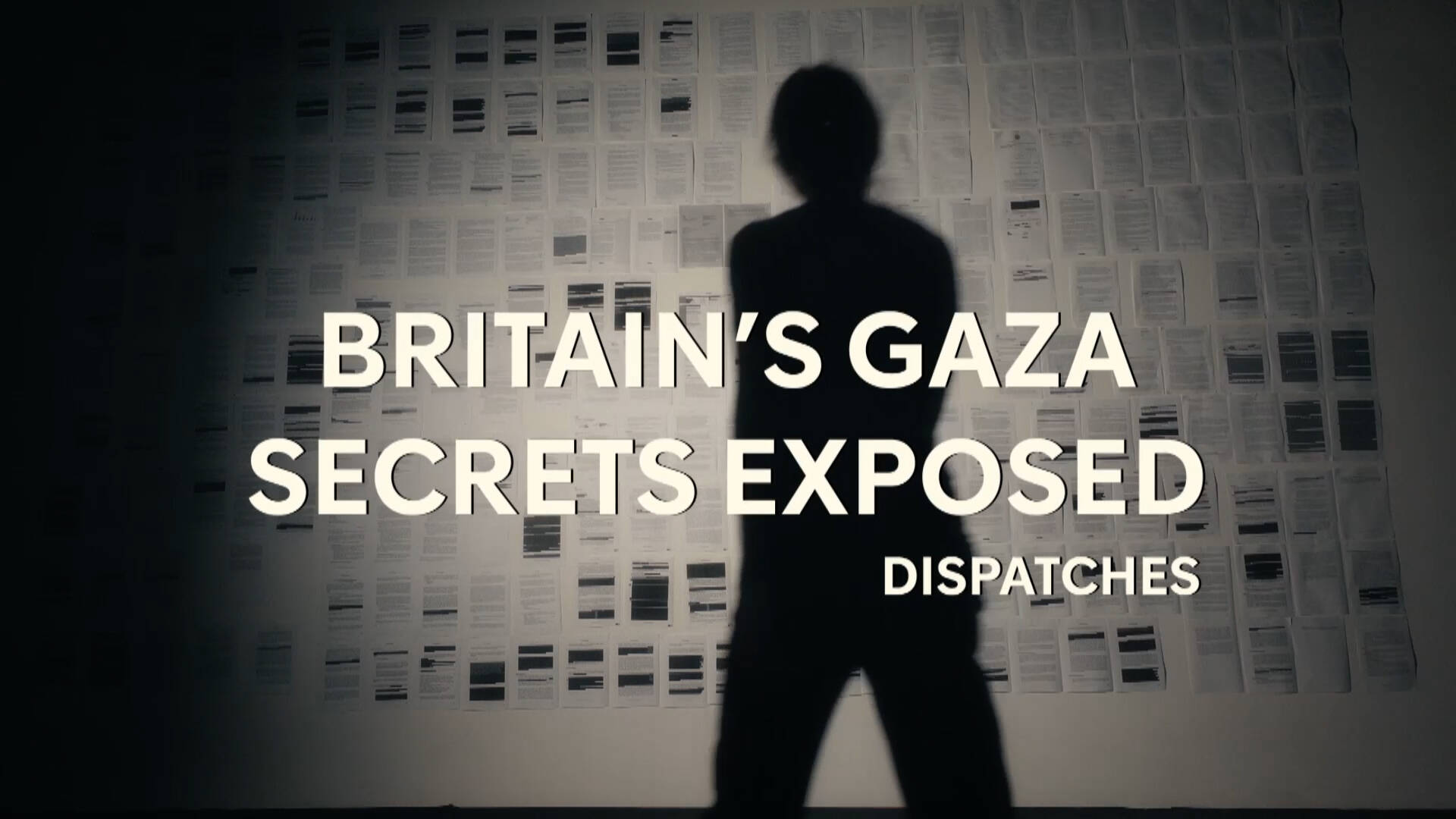
VideoChannel 4 Documentary: UK Government Kept Selling Israel Weapons Despite Internal Legal Warnings on Gaza
Channel 4's Dispatches uses internal UK government records to show officials downplaying Israeli war-crimes evidence in Gaza to keep arms sales flowing.

Congressional Hearing Testimony: AI Targeting Systems Tied to Gaza, Iran Civilian Deaths Despite Accuracy Claims
Congressional testimony links Palantir's Maven system and Israel's Lavender targeting tool to mounting civilian deaths in Gaza and Iran, undercutting industry claims of AI precision.

ICC Deputy Prosecutor Says Netanyahu Warrant Stands, No Withdrawal Steps Taken Despite US Sanctions
ICC Deputy Prosecutor Nazhat Shameem Khan says no steps have been taken to withdraw Netanyahu's arrest warrant despite US sanctions on court leadership.