
Former Israeli Intelligence Chief's Think Tank Report Calls Arab State Instability a Security Asset
An Institute for National Security Studies paper by ex-military intelligence director Tamir Hayman describes peace deals as temporary cover while instability in Syria, Lebanon and beyond serves Israeli strategy.
Source: Middle East Eye · published October 21, 2026
The document is eight pages long and carries the imprint of Israel's Institute for National Security Studies (INSS), published on October 12. Its author is Tamir Hayman, who ran Israeli military intelligence before taking over the institute, one of the country's most established strategic think tanks.
According to Middle East Eye's reading of the report, Hayman lays out what he calls Israel's "new security policy." The paper reportedly argues that Israel does not regard Arab states as genuine nations but as, in the report's language as cited by MEE, "collections of tribes and ethnic groups." Undermining their cohesion, the report states, "is viewed as a natural process" that Israel "should even encourage."
The policy treats weak, fragmented Arab states as a source of security, since instability is something Israel "can manage more effectively than it can contend with strong nation-states."
The framework the report describes is "perpetual preemptive war," with Israeli military expansion into Syria and Lebanon serving the broader goal of regional destabilization, MEE reports. Peace agreements, in this reading, are not endpoints but instruments: "merely technical and temporary arrangements" built to serve Israeli strategic objectives rather than lasting settlements.
What the record shows
The pattern MEE lays out against this doctrine is concrete. Since the fall of Bashar al-Assad in December 2024, Israel has carried out what are reported as hundreds of strikes inside Syria, degraded much of the country's defense infrastructure, and moved into additional Syrian territory while arming militias opposed to the new government in Damascus. In Lebanon, Israel is reported to occupy between six and twenty percent of national territory and has continued strikes after the November 2024 ceasefire with Hezbollah, even as American mediators described a June framework agreement as a path toward "comprehensive peace" between the two countries.
Hayman's report does not claim Israeli leadership has formally adopted this doctrine, and he acknowledges the analysis is partly his own interpretation rather than declared policy, according to MEE's account. But his position atop military intelligence until recently, and his current role running one of Israel's primary strategic research institutions, gives the document institutional weight beyond an outside critique.
The accords in a different light
The 2020 Abraham Accords, brokered by the first Trump administration, were sold publicly as the start of a new era of Arab-Israeli reconciliation. Critics at the time, including academics like Kamel Hawwash and Joseph Massad, argued the agreements sidelined Palestinians while dressing up continued Israeli expansion as fraternal peacemaking. A doctrine that treats signed agreements as temporary tactical cover, rather than genuine settlements, offers an internal account that lines up with that earlier criticism: normalization as management tool, not resolution.
If the doctrine Hayman describes reflects actual Israeli strategic thinking, it reframes ongoing military activity in Gaza, the West Bank, Syria and Lebanon not as reactive security measures but as a long-running policy of keeping neighboring states fractured by design.
Sources & Documentation
- Israel's vision of regional security rests on keeping Arab states weak — Middle East EyePrimary source, opinion analysis citing the INSS report
Related Coverage
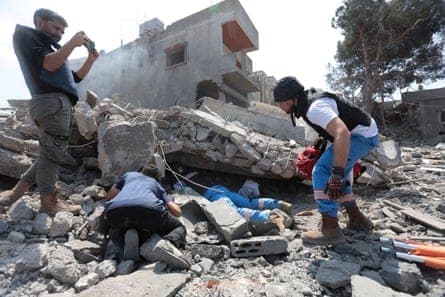
Israeli Airstrikes Kill 11 in Southern Lebanon, Deadliest Toll Since June Ceasefire
Israeli strikes on two Lebanese villages killed 11, including three children, the deadliest toll since June's ceasefire, despite neither site sitting in Israel's occupied buffer zone.
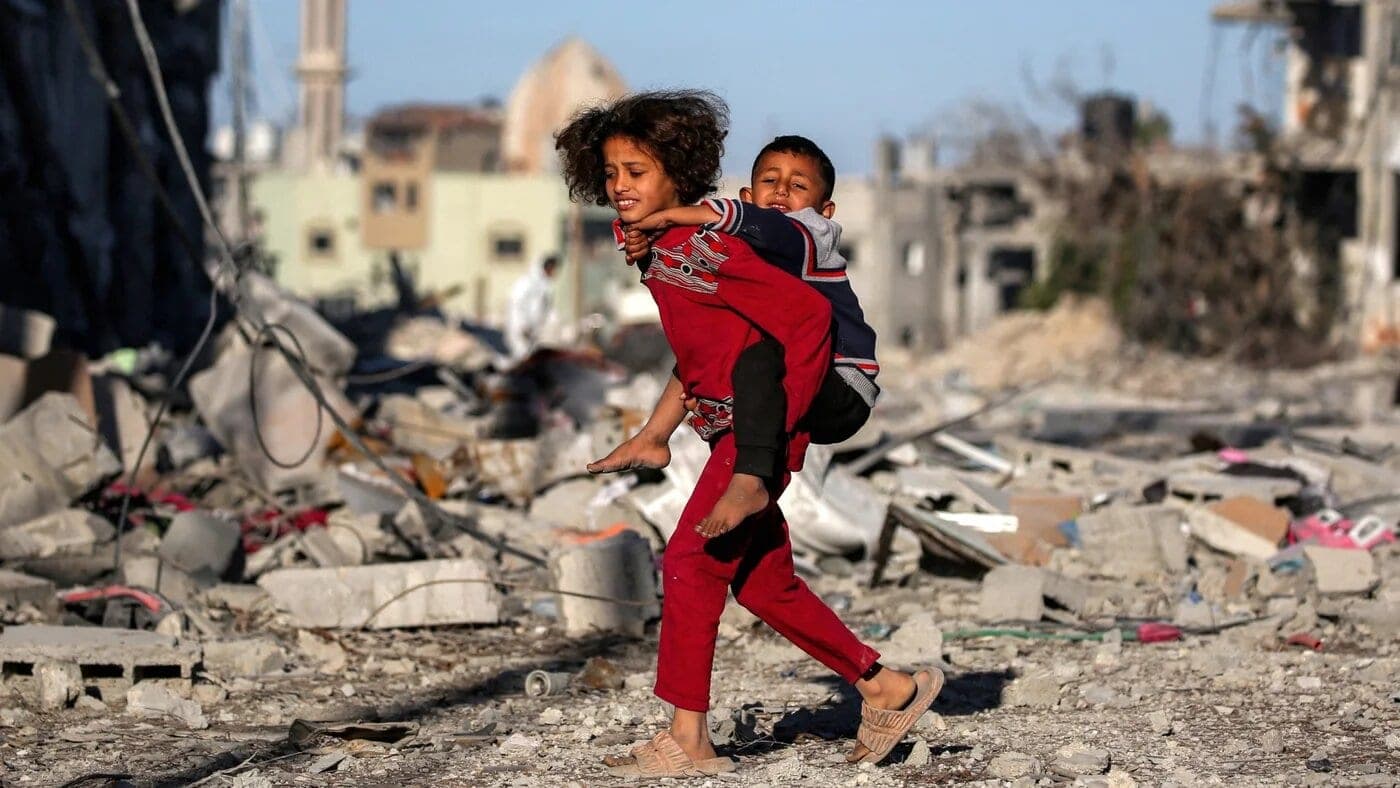
Egyptian Firms Surveyed Rafah Ruins Under Israeli Military Escort for 'Green Rafah' Housing Plan, Sources Say
Egyptian firms surveyed Rafah's ruins under Israeli army escort for a UAE-backed 'Green Rafah' housing project, sources tell Middle East Eye, as reconstruction remains under Israeli military control.

BMJ Review Documents Pattern of Sexual Violence Against Palestinian Children in Israeli Detention and at Checkpoints
A BMJ article compiles UN and NGO findings on sexual violence against Palestinian children and women in Israeli detention, checkpoints and raids, calling for independent investigation.