
Displaced Gaza Families Say Tents Bought in 2023 Have Rotted Into Their Only Homes
Three named families describe patching sun-eaten tarpaulin with used plastic and old fabric after nearly three years without shelter materials reaching Gaza's market at scale.
Source: The New Arab · published September 8, 2026
Hanaa al-Soltan left northern Gaza in 2023 carrying clothes, documents and a few belongings for her children, expecting to be gone days or weeks. She is still in a tent in central Gaza, according to her account to The New Arab.
"At first, we said it would only be a few days or weeks. Then the first winter came, followed by summer, then another winter, and we're still here," she said.
Al-Soltan, 44, described the tarpaulin heating under direct sun until the tent becomes, in her words, an oven, forcing the family outside at midday. By the time summer damage sets in, holes and cracks let rain through. She said the family places pots and pans under leaks and lifts mattresses off the ground during storms, unable to afford a new shelter and instead patching it with used plastic sheeting.
Mahmoud al-Arja, 39, has moved his wife and six children several times before settling in a tent in al-Mawasi, in Khan Younis in southern Gaza. He told The New Arab he has bought and repeatedly repaired three tents since the war began. He described sun exposure weakening the material at the seams and using plastic sheets, blankets and old clothes to seal gaps before winter storms. "We're not buying a tent, we're buying extra time," he said, adding that income has stopped even as the cost of poles, ropes and plastic sheeting has risen.
Rasha Salama, 36, a mother of three in Gaza City, said she could not afford a new tent and bought one that had already been used by another family. She keeps scraps of plastic and fabric inside for emergencies, each designated for a specific repair, patching a hole, lining under mattresses, or preparing for rain. "We've been living like this for three years," she said. "The summer suffocates us, the winter terrifies us, and in between, we just try to keep the tent standing."
A Gaza vendor identified as Abu Salah described a shelter-supplies market that has shifted toward used and second-hand tarpaulins as displaced families' incomes have collapsed, according to the reporting.
The accounts describe conditions inside Gaza nearly three years after the war that began in October 2023, a period Palestinian residents and some rights groups characterize as genocide, a legal and political determination that remains contested and has not been the subject of a binding international court ruling.
Sources & Documentation
- Gaza's tents are withering away after three years of genocide — The New ArabPrimary source; named individuals interviewed on shelter conditions in central Gaza, al-Mawasi/Khan Younis, and Gaza City.
Related Coverage
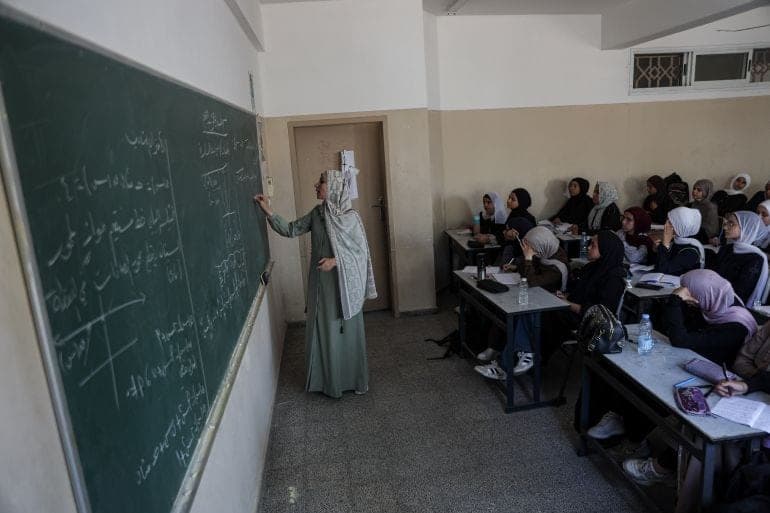
Al Jazeera Traces Fates of 15 Gaza Schoolgirls Photographed Before October 7
An Al Jazeera investigation locates girls from a 2023 Gaza school photograph, finding one killed, four displaced abroad, and a school still marked by war.
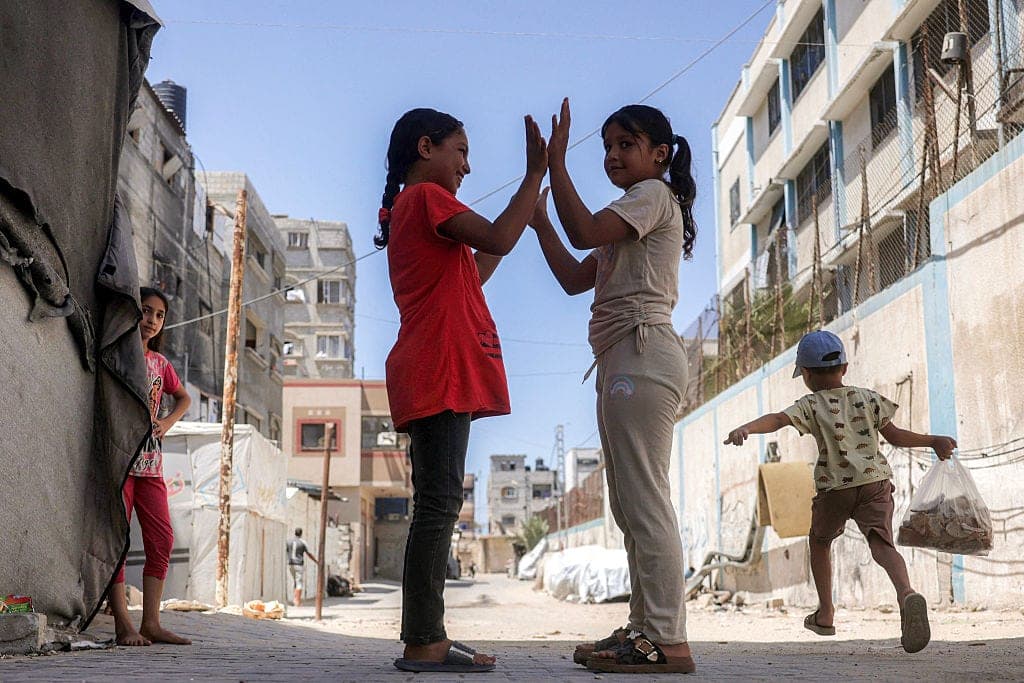
Israeli siege cut off water, electricity and sanitary pads for menstruating women in Gaza, aid workers and displaced women say
Displaced Palestinian women and aid workers describe menstrual health collapsing under Israel's siege, with water cut off, pads scarce, and hygiene supplies confiscated at the border.
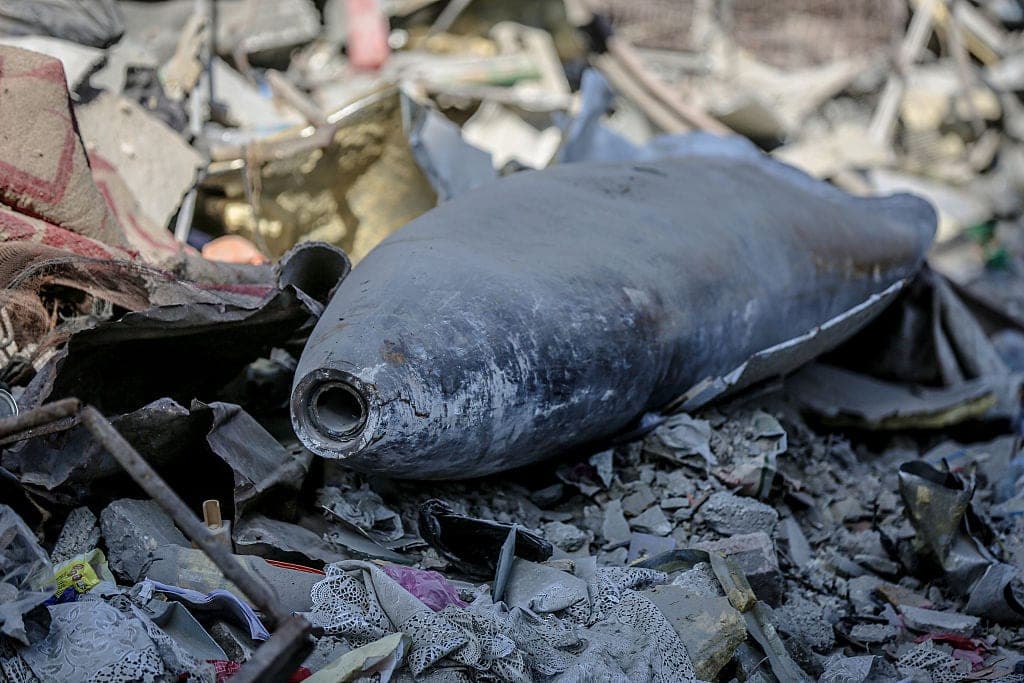
In Gaza, Families Bury Mixed Remains Years After Israeli Strikes Killed Them
Gaza families wait years to bury loved ones killed in Israeli strikes, as mass graves grow and a 15-person forensic team lacks DNA testing to identify remains.